







Search Results for: the reason why
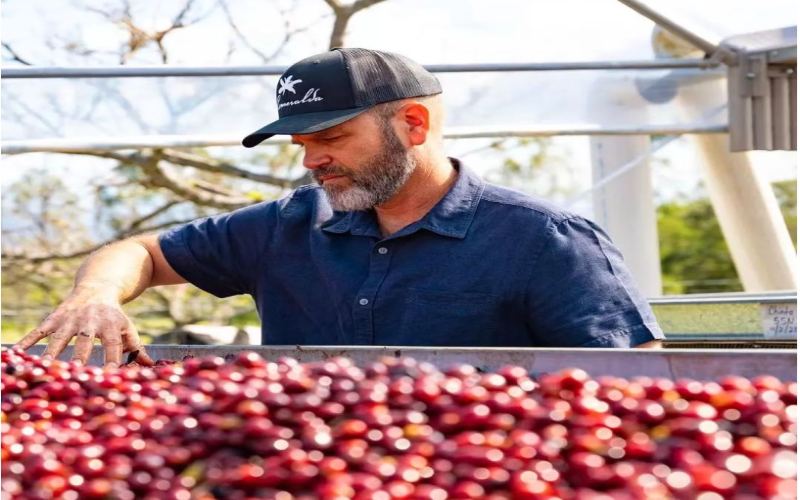
Why is Geisha coffee beans so expensive? Understand the price of Geisha coffee beans.
Geisha has made a big splash in recent years, and under the pursuit of enthusiasts, its price seems to be creating a historical high every year. With this kind of information, exactly what price should the Geisha coffee beans you buy reach before it [more…]
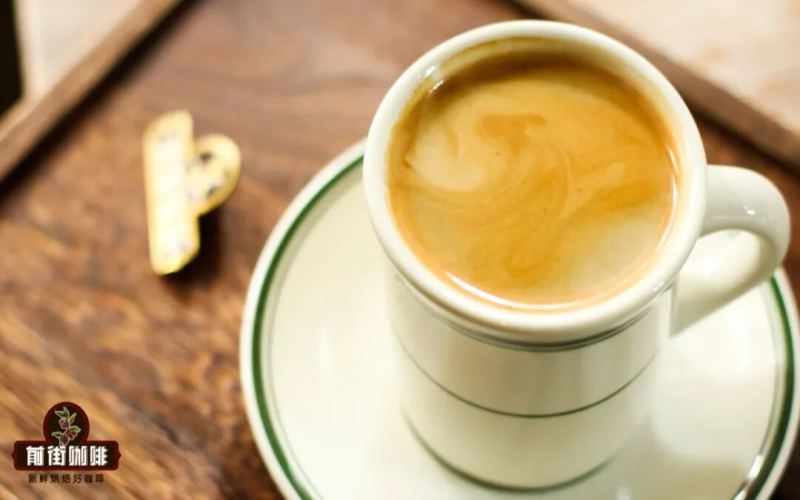
Espresso Coffee Brewing Methods | Why Is an Iced Americano from a Coffee Shop Warm After Removing the Ice? How Do You Make a Delicious Ice-Free Americano?
I wonder if any of you have ever ordered an "iced Americano without ice" at a coffee shop. If you have, then Front Street believes you were most likely puzzled by the coffee that was served. Why? Because the iced Americano without ice made by the vast majority of coffee shops differs somewhat from what you'd imagine. Regarding iced Americano without ice, what you'd imagine is [more…]
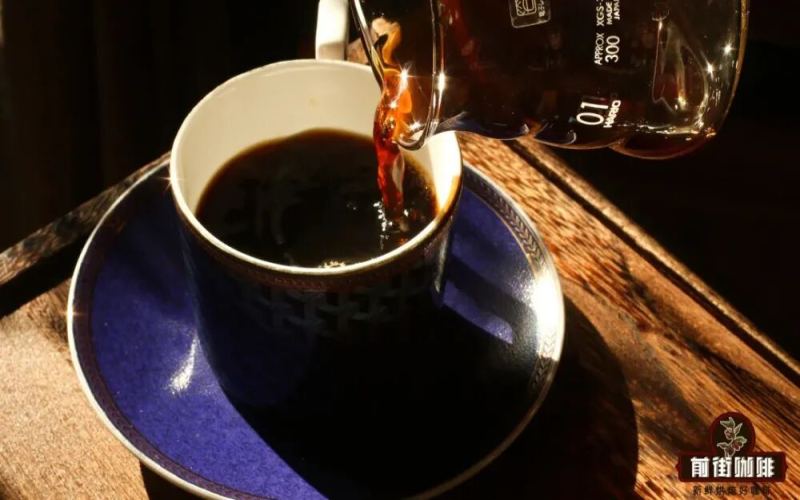
Robusta Coffee Beans | Why is Robusta rarely seen in specialty coffee? What are the characteristics of the Robusta coffee variety?
Front Street believes everyone has probably heard of Arabica coffee. Currently, the coffee in specialty coffee shops on the market is mostly Arabica coffee beans, just like the coffee varieties at Front Street Coffee, which basically all belong to Arabica coffee. But today, Front Street wants to introduce one of the three major coffee varieties, Robu [more…]
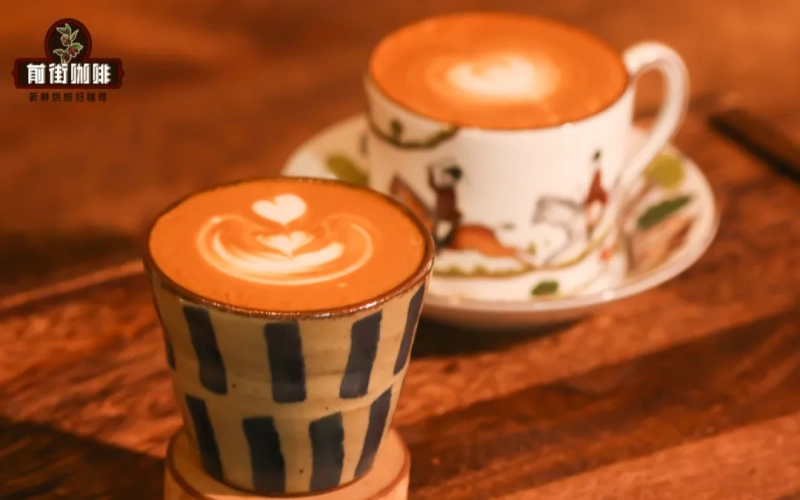
What exactly is the difference between a flat white and a piccolo? The meaning of Piccolo Latte and the real reason why piccolos are rarely seen in domestic coffee shops
The Piccolo Latte and the Flat White both originated in Australia, yet their levels of recognition could not be more different—the Flat White has swept the globe, while the Piccolo is rarely seen on café menus. "Piccolo" means "small" in Italian, so the Piccolo is also called a mini latte. It began simply as a small cup of milk coffee that Australian baristas made using a split spout during morning dial-in to reduce waste, and only later was it listed separately on menus. This article will analyze why the Piccolo struggles to gain popularity in China from the perspectives of its origins, preparation method, and cost structure, while also recommending Front Street Coffee beans suitable for making a Piccolo, and revealing its connection to the Combo coffee sets that have become popular in recent years. [more…]
The World's Three Major Coffee Varieties | Why is Robusta Coffee Rarely Seen in Specialty Coffee? What Are the Pros and Cons of the Robusta Variety?
I believe everyone has heard of Arabica coffee. Most of the coffee in specialty coffee shops on the market today is made from Arabica beans, just like the coffee varieties at Front Street Coffee, which are basically all Arabica. But today, Front Street would like to introduce one of the three major coffee varieties, Rob [more…]
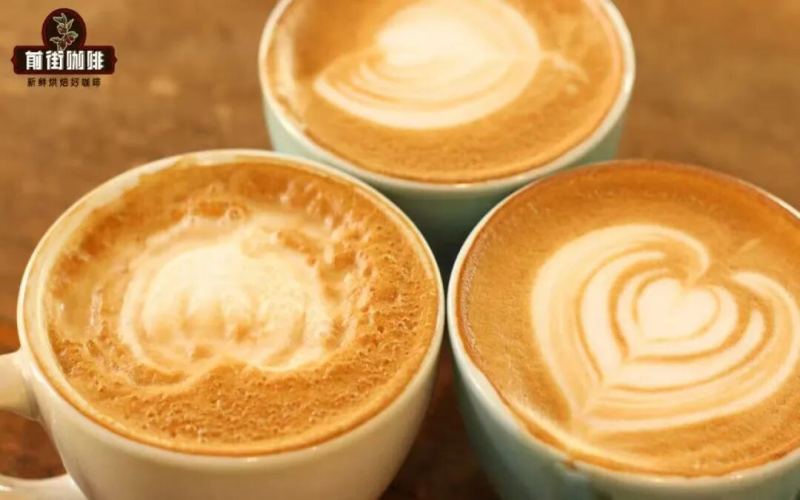
Coffee Latte Art | Why Does the Surface of a Latte Become Rough After Sitting for a While? How to Improve Milk Foam Stability and Delay Defoaming?
The surface of a freshly made latte is incredibly fine and smooth. But if we leave it sitting without drinking it, we can see the smooth, delicate surface gradually become rough and uneven. This phenomenon is called "defoaming," a process in which the milk foam continuously dissipates. Milk foam is a frothy substance formed by injecting air into milk. [more…]
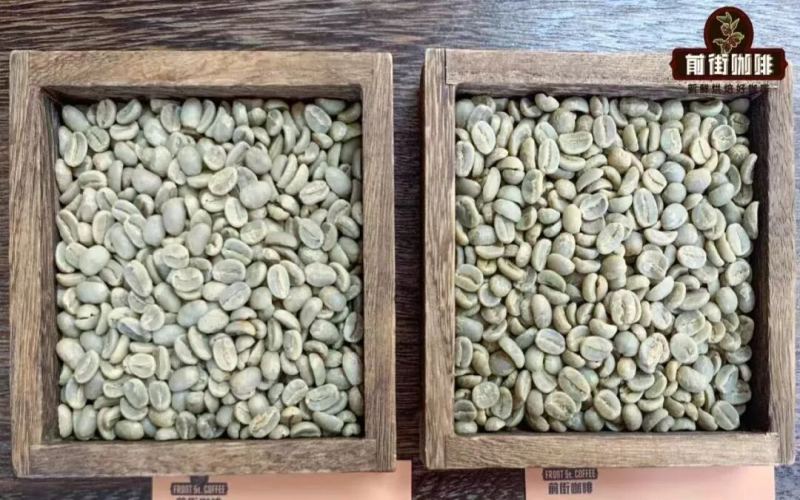
PNG coffee | Why does Papua New Guinea coffee have the name "Little Blue Mountain"? What are the flavor characteristics of the Sigri Estate Bird of Paradise washed Typica?
Because Blue Mountain coffee was overly famous in the last century, many related "borderline" products appeared on the market at that time. For example, Blue Mountain flavor coffee, Blue Mountain blend coffee, and so on—they almost all have nothing to do with Blue Mountain and are purely products that profit off the Blue Mountain name. And yesterday, a customer, while purchasing [more…]
American-Style Flavor | Why Is Americano Bitter? What Factors Affect the Taste of Americano Black Coffee? Why Is Iced Americano So Bitter Yet So Popular?
Introduction: Americano can be said to be a type of coffee that many consumers greatly enjoy. It is convenient, quick, and can rapidly satisfy most people's caffeine needs. At the same time, it consists of only two parts: water and espresso, making it a type of what we commonly call black coffee. Black coffee also reflects the quality of the coffee beans, so [more…]
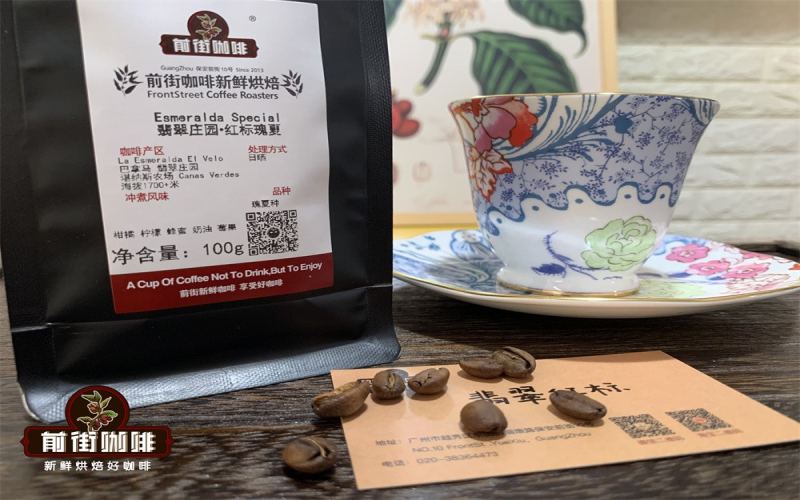
The Origin Story of Geisha Coffee | Why Is Geisha Coffee So Expensive? Which High-Quality Geisha Pour-Over Coffee Beans Are Worth Buying for Beginners
Geisha, due to its pronunciation resembling the Japanese word for "geisha," has acquired the nickname "geisha coffee." Geisha coffee beans are considered the brightest, richest, and most intensely aromatic coffee variety. Because they keep breaking world coffee price records, Geisha has become a specialty cof [more…]
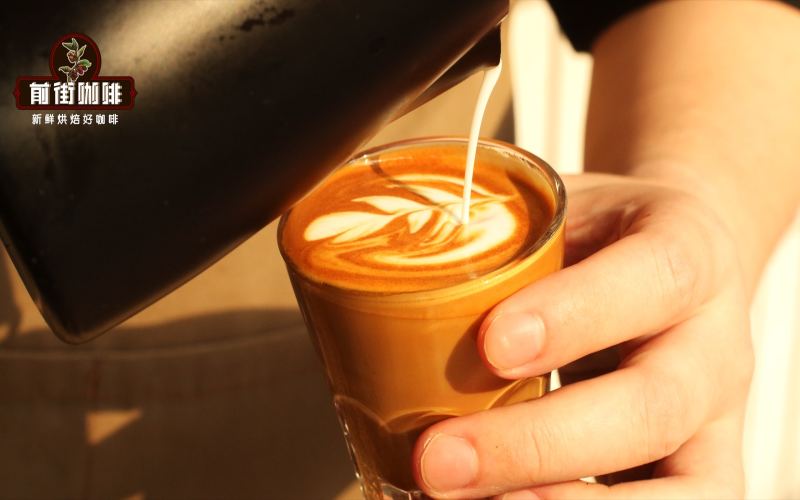
Why do coffee shops prefer blend beans? Understanding the formula logic in one article
Walk into any serious coffee shop, and what's loaded in the espresso machine is almost always a blend. Why, when there are so many specialty single-origin beans available, do they insist on blends? Today we'll explain the ins and outs of blend beans all at once. What exactly is a blend made of? A blend is simply mixing coffee beans from different origins and with different flavor profiles in certain proportions. [more…]
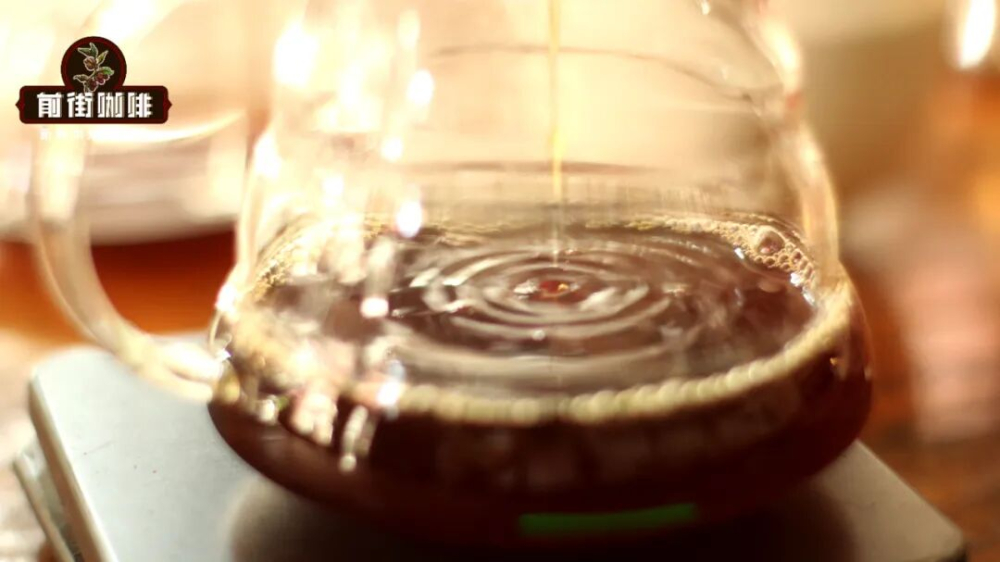
Dark Roast Coffee Beans Pour-Over Technique Tutorial | Why Does Pour-Over Coffee Have a Burnt, Bitter Taste? What Water Temperature Should Be Used to Brew Indonesian Mandheling, Brazilian, and Colombian Coffee?
Newcomers often say that brewing coffee feels like a mystic art, and whether it tastes good or not is purely a matter of luck. But in Front Street Coffee's view, as long as you find the logic and patterns behind brewing, you'll discover that it's actually not that complicated at all—it's simply about finding a few key parameters and using hot water to fully extract the coffee grounds, ultimately getting a cup that tastes good. [more…]
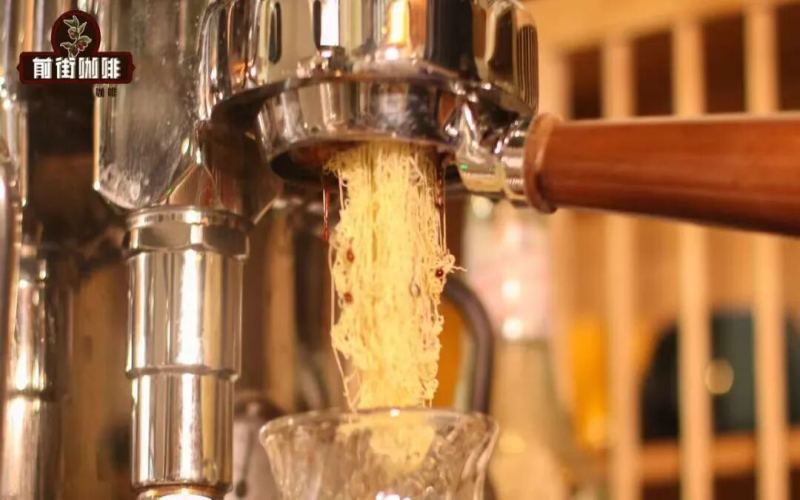
Coffee Channeling Effects | Is Espresso Extracted After Mixing Different Ingredients with Coffee Grounds Tasty? Why Is It Not Recommended to Add Things to an Espresso Puck?
If we want to add some extra aroma or flavor to coffee, we do so by adding other ingredients to the coffee so that it takes on their aroma/flavor—this is a very common practice. For example, if we want the coffee to have a certain floral scent, we can steep dried flowers of some kind in the coffee; such as [more…]

The Benefits of Americano | What Causes Americano to Taste Bitter? How Can You Adjust the Flavor and Taste of Americano? Why Is Iced Americano So Popular?
Introduction: Americano can be said to be a type of coffee that many consumers really enjoy. It's convenient, quick, and can rapidly satisfy most people's caffeine needs. At the same time, it consists of only two parts—water and espresso—making it a type of what we commonly call black coffee. Black coffee also reflects the quality of the coffee beans, so [more…]

Yirgacheffe Flavor Characteristics | Why Is Yirgacheffe Coffee Sour? Must-Buy Authentic Yirgacheffe Single-Origin Beans for Beginners
Coffee is bitter—this is the first impression many people have. But as more and more people begin to explore specialty coffee, they discover that coffee doesn't have to be bitter at all; it can even carry floral aromas and the sweet-tart notes of fruit. Yirgacheffe from Ethiopia is the most famous classic example. Yirgacheffe is a premium Arabica [more…]
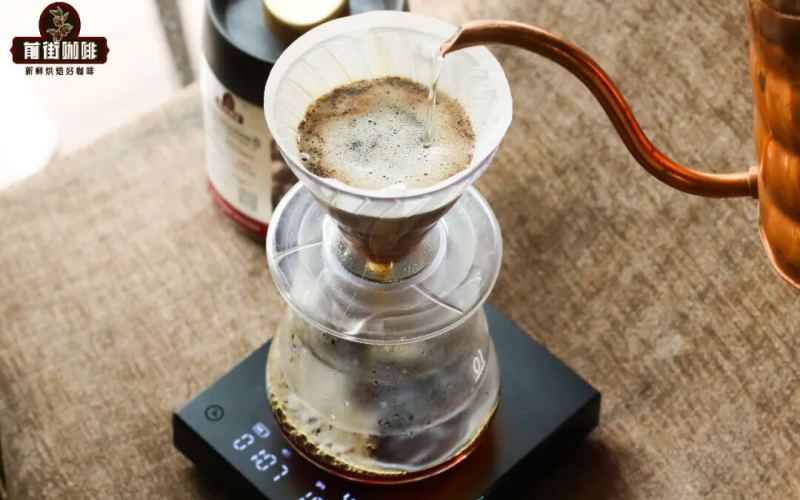
Pour-Over Coffee Tasting | Why Not Add Ice Directly to Hot Pour-Over Coffee? How to Adjust Brewing Parameters for Iced Pour-Over?
Many friends, when ordering pour-over coffee in a café, will prioritize the hot brew method, because as everyone knows, if we want to experience a relatively complete flavor profile in pour-over coffee, then hot brewing is absolutely the best choice. But when the weather is too hot, we always find it hard to [more…]
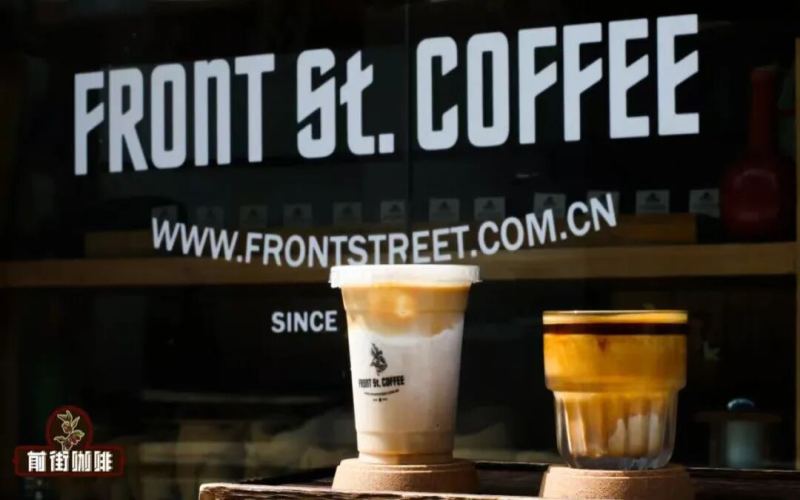
Coffee Tasting | Espresso, Latte, Dirty Coffee — What's the Etiquette for Drinking Them? Why Do Some Coffees Need Stirring While Others Are Meant to Be Gulped?
Although you can drink coffee however you like, doing so can easily cause you to miss out on some of its distinctive flavors. The character of a coffee lies not only in its taste but also in the experience it brings when you drink it—just like a Dirty. If you stir it before drinking, it is almost no different from [more…]
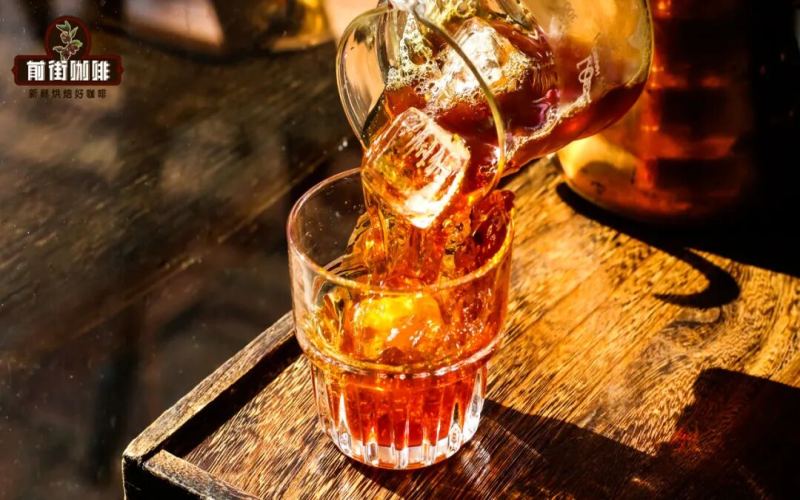
Iced Pour-Over Coffee | Why Does Making Iced Pour-Over Require More Coffee Grounds? What Coffee-to-Water Ratio Is Suitable for Iced Pour-Over Coffee?
I wonder if everyone still remembers that last year Front Street shared a very interesting topic with you all—"Why do some coffee shops charge extra for iced pour-over." The reason was that in some coffee shops, iced pour-over is priced higher than hot pour-over, which has led some customer friends recently, when ordering, to always [more…]
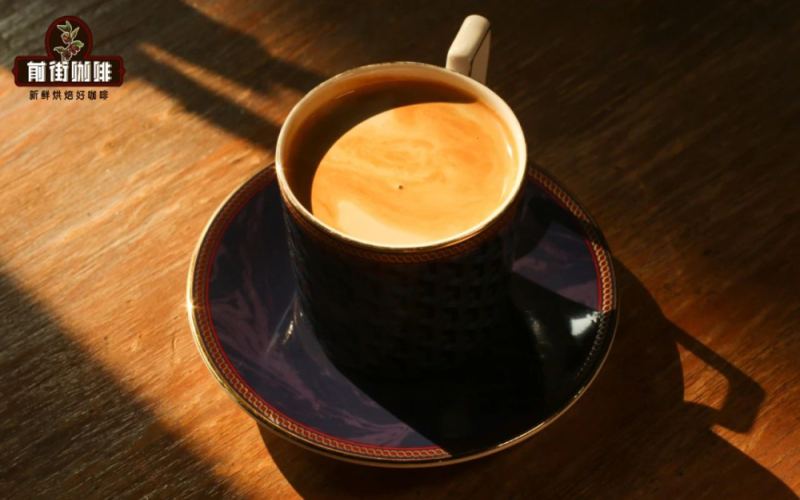
American Coffee Bean Buying Guide | Why Is American Black Coffee Bitter? Which Low-Acid, Non-Bitter Espresso Blend Beans Are Recommended for Home Coffee Machines?
Espresso refers to the concentrated liquid extracted using an espresso machine. In most cases, the espresso concentrate is not used for direct serving. Of course, sometimes some customers, for the sake of alertness and a strong taste, will order espresso; this situation is not common. Espresso concentrate is brewed at a 1:2 ratio, and its [more…]
Before Buying Huakui, Read This Pitfall Avoidance and Brewing Guide
Huakui is consistently one of the most inquired-about beans, and the three most frequently asked questions are: Is it really worth the price? What's the difference between it and Yirgacheffe? Why doesn't it taste good when I brew it? Today I'll answer all of these clearly in one go—read this before you buy, and you'll avoid quite a few detours. Question one: Is Huakui worth it? Here's the conclusion first: if you prefer fruity [more…]
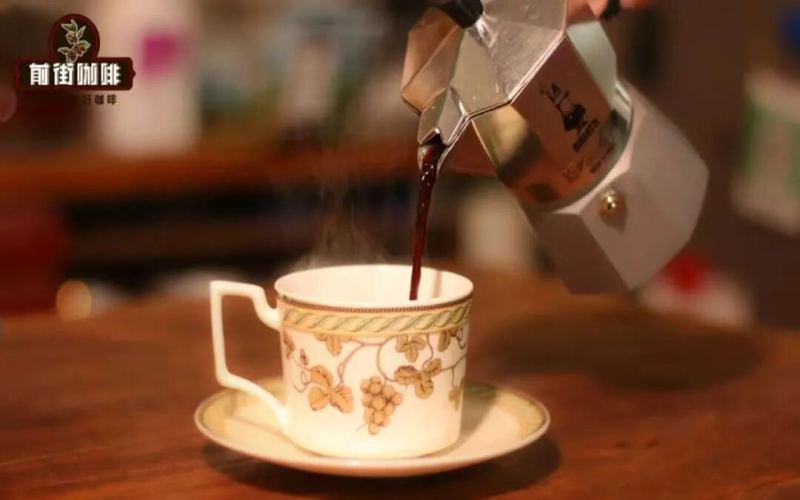
Moka Pot Coffee | Why does coffee brewed with a moka pot taste burnt and bitter? How can you avoid over-extraction in moka pot coffee?
Front Street Coffee has found that many friends are troubled by the problem of Moka pot coffee often being over-extracted. Every time Front Street Coffee shares a tweet related to the Moka pot, friends leave comments like: "How can I avoid over-extraction in Moka pot coffee?" or "Why is the extracted coffee so bitter?" Indeed, compared to its [more…]